
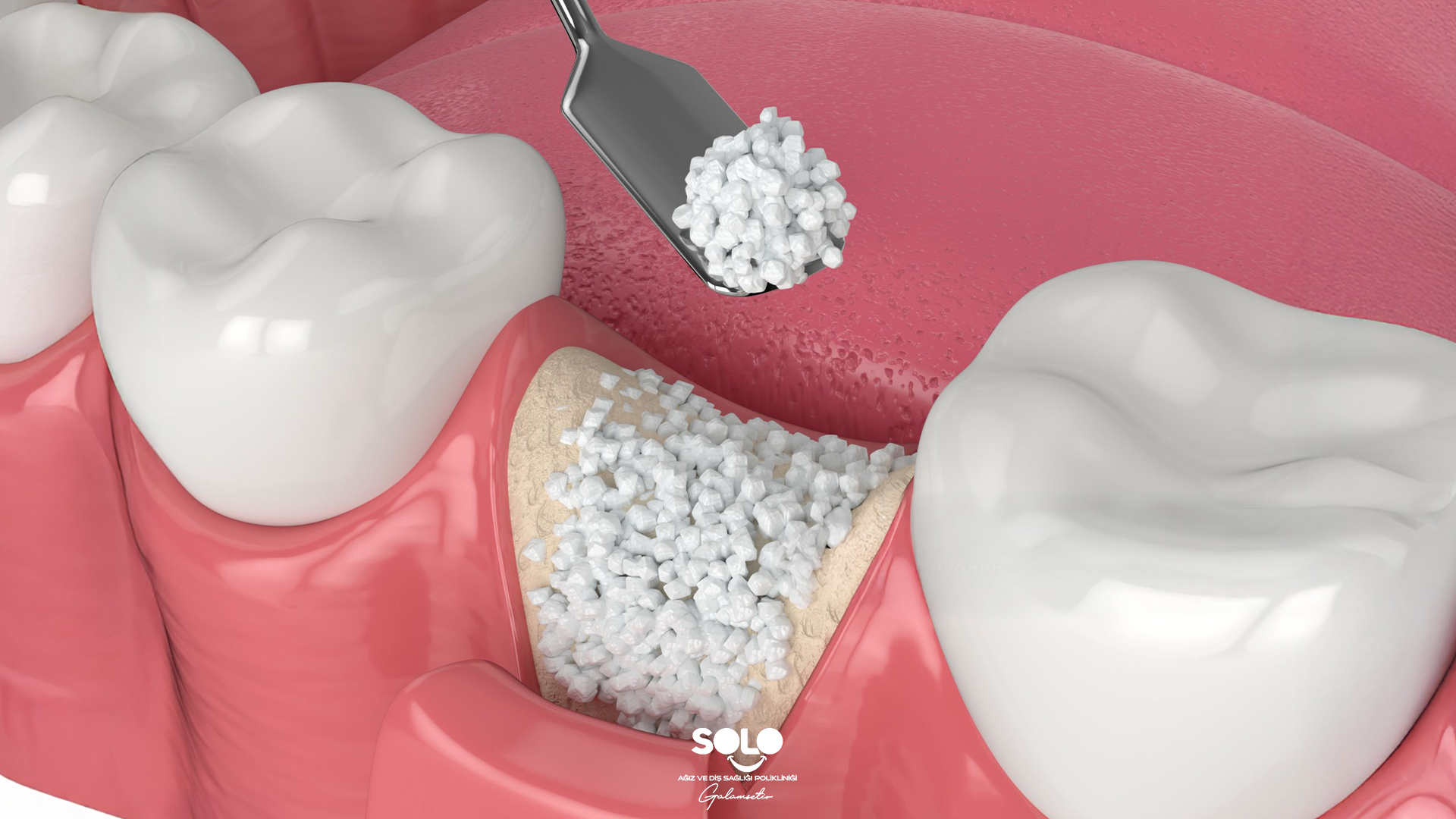
What Is Bone Grafting? How Is Bone Grafting Performed?
When dental treatments are mentioned, most people first think of fillings, root canal treatment, or implants. However, for these treatments to be successful and long-lasting, there is an often overlooked but equally important factor: the condition of the jawbone. Teeth do not rely only on the gums; they also need a strong bone structure to support them. Although its name is not frequently mentioned, bone grafting plays a critical role in dentistry and is a treatment we commonly perform.
The term “bone graft” can sound a little intimidating at first. Many people imagine a painful, difficult, or complicated procedure when they hear it. In reality, bone grafting is a well-planned and carefully controlled treatment that is widely used in modern dentistry. In most cases, it is far more comfortable than patients expect. The goal is to support and strengthen lost or insufficient bone tissue and rebuild a solid foundation for oral health.
Tooth loss, long-term gum disease, trauma, or certain infections can lead to gradual bone loss in the jaw. If this process goes unnoticed or is ignored, future treatments such as dental implants can become difficult or even impossible. Bone grafting can be thought of as a preparatory treatment — an important step taken to ensure that future procedures are safe, healthy, and long-lasting.
What Is Bone Grafting?
Simply put, bone grafting is a treatment used to support and rebuild bone tissue that has weakened or disappeared over time. In dentistry, it is most commonly performed when there is not enough bone in the area planned for an implant. A strong bone structure is essential for an implant to integrate securely and function properly.
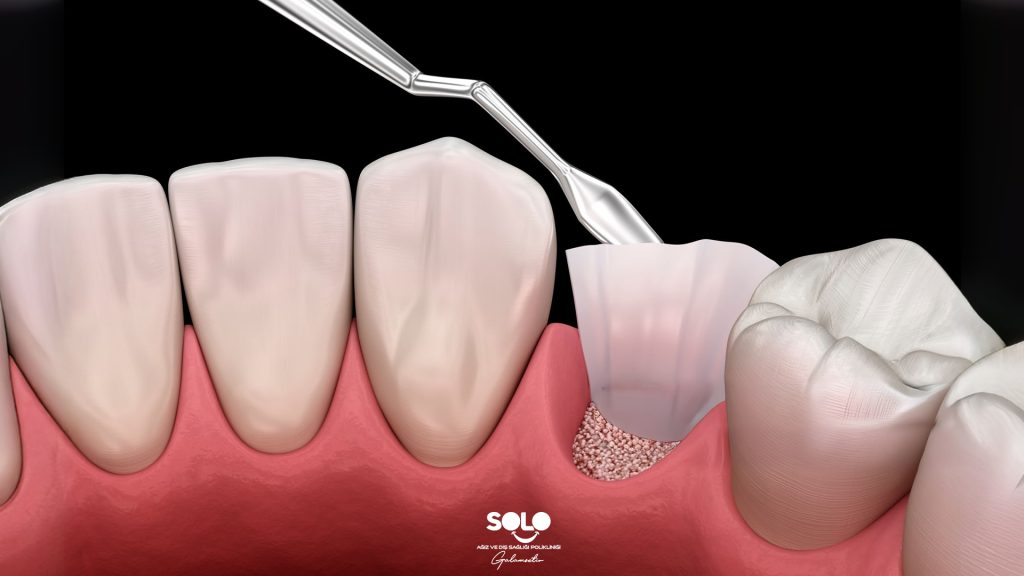
When a tooth is lost, many people think the change is limited to the visible gap. In reality, the most important change happens beneath the surface, within the bone itself. Without a tooth root, the jawbone no longer receives stimulation during chewing. Over time, this “unused” bone begins to shrink and slowly resorb. This process often goes unnoticed but can significantly affect future dental treatments.
The purpose of bone grafting is to restore lost bone volume and strengthen the area. In this way, oral health is preserved and a solid foundation is created for future treatments such as dental implants.
Why Does Bone Loss Occur?
When bone loss is mentioned, many people immediately associate it with aging. However, the reality is quite different. Jawbone loss can occur at any age and often progresses quietly without being noticed in daily life. Especially when oral and dental health is neglected, bone loss can develop silently but steadily.
One of the most common causes is teeth that remain missing for a long time. When a tooth is extracted or lost, the bone in that area can no longer function properly. Without a tooth root, it does not receive enough stimulation during chewing and gradually begins to lose volume. If no treatment such as an implant or bridge is planned after extraction, this process accelerates.
Gum disease is another major cause of bone loss. Advanced periodontal problems affect not only the gums but also the bone that supports the teeth. In addition, trauma, accidents, or blows to the jaw can damage the bone structure. Poorly planned or improperly performed treatments in the past may also contribute to bone loss over time.
Why Is Bone Grafting Necessary?
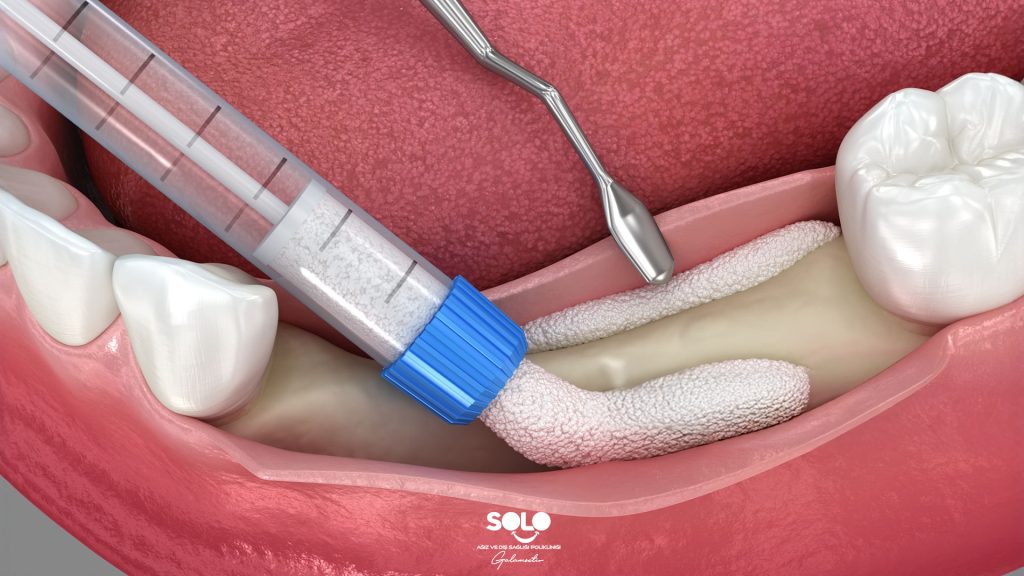
The most common reason for bone grafting is to ensure a successful dental implant treatment. Implants are artificial tooth roots placed into the jawbone, and they require strong bone support to remain stable for many years. When the bone lacks sufficient height or thickness, implant placement becomes more difficult and the success of the treatment is compromised.
When bone is insufficient, the implant may fail to integrate properly, loosen over time, or even be lost completely. Bone grafting prepares a solid foundation for the implant by restoring missing bone volume, strengthening the area, and supporting long-term success.
What Are the Types of Bone Grafts?
Bone grafting is not a single, one-size-fits-all procedure. Different graft options are selected based on the patient’s bone structure, the size of the area involved, and the planned treatment.
Autograft (Patient’s Own Bone):
Taken from the patient’s own jaw or, in rare cases, another part of the body. It has a high compatibility rate but requires an additional surgical procedure, so it is not suitable for every patient.
Xenografts (Animal-Derived Grafts):
These grafts are specially processed and widely used in dentistry due to their safety and reliability.
Allografts (Human-Derived Grafts):
Obtained from tissue banks and made ready for use through strict sterilization and control processes.
Synthetic Grafts:
Artificial bone materials produced in laboratory settings and designed to be compatible with the human body.
The most suitable graft type is determined by our dentist after a clinical examination and tomographic evaluation.
How Is Bone Grafting Performed?
When bone grafting is mentioned, many people feel anxious and immediately ask questions like “Will it hurt?” or “Is it a difficult procedure?” In reality, the process is far more controlled and comfortable than expected. Bone grafting can be seen as a carefully planned journey from start to finish.
The process begins with a thorough evaluation. The dentist carefully examines the mouth and then uses X-rays or 3D tomography to clearly assess the condition of the bone. This step is crucial because every patient’s bone structure and needs are different. Based on these findings, a personalized treatment plan is created, and the patient knows exactly what to expect.
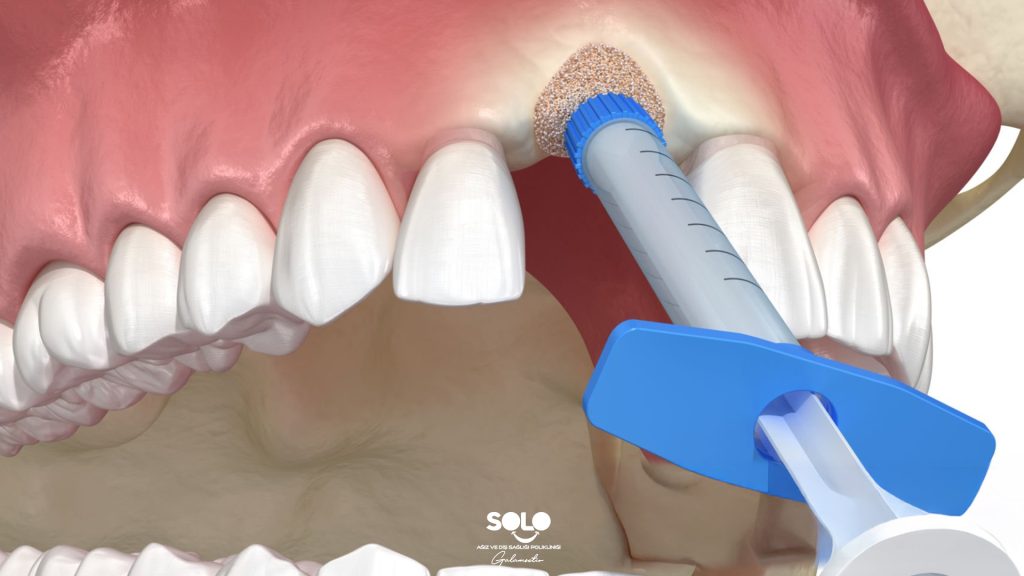
On the day of the procedure, local anesthesia is usually applied. The patient remains awake but does not feel pain in the treated area. The graft site is carefully prepared, the selected bone graft material is placed, and if necessary, a protective membrane is applied. The area is then closed with sutures. Most patients feel only mild pressure during the procedure, not pain.
The entire procedure typically takes between 30 and 60 minutes. Many patients are surprised afterward, saying, “Is that all?” Despite sounding intimidating, bone grafting is a comfortable and manageable treatment when performed with proper planning and experience. Most importantly, it lays the foundation for stronger, healthier, and longer-lasting dental treatments.
Bone Grafting Prices in Istanbul
Providing a fixed price for bone grafting is usually not possible because each treatment is planned according to individual needs. Factors such as the type of graft used, the size of the treated area, the level of bone loss, and whether the procedure is combined with implant treatment all directly affect the overall cost. For this reason, bone grafting is evaluated on a personalized basis rather than with a single standard fee.
Bone grafting prices in Istanbul also vary depending on these factors. While a minimal procedure may be sufficient for some patients, others may require a more comprehensive treatment plan. The technology used, imaging methods, and the experience of the dental team are also important considerations. What truly matters is not just the price, but the safety, accuracy, and long-term success of the treatment.

