

Dental Treatment During Pregnancy
While pregnancy is one of the most special and exciting periods in a woman’s life, it is also a process that requires great responsibilities in terms of health. During this period, oral and dental health plays a very critical role as well as the general health of the expectant mother. Because hormonal changes that occur in the body during pregnancy can directly affect oral health, from gums to tooth enamel.
If the expectant mother neglects her dental and oral health, it may have negative consequences not only for her own health but also for the health of the baby. Problems such as gum disease, tooth decay or oral infections during pregnancy can be associated with risks such as premature birth or low birth weight. Therefore, it is necessary to pay special attention to oral and dental care during pregnancy.
The Importance of Oral and Dental Health During Pregnancy
Pregnancy is a period when many physiological changes occur in the woman’s body. The first of these changes is the increase in hormone levels. In particular, the increase in the levels of estrogen and progesterone hormones can affect both the general health of the expectant mother and her oral health. Sensitivity and bleeding in the gums are common during pregnancy. This condition is called “pregnancy gingivitis” and can turn into gum disease if left untreated.
Pregnancy gingivitis usually manifests itself with redness, swelling and bleeding in the gums. These symptoms may increase especially when brushing teeth or consuming hard foods. Sensitization of the gums becomes more noticeable during pregnancy due to increased blood volume and hormones. For this reason, extra care should be taken in dental care during pregnancy.
In addition, another problem frequently encountered during pregnancy is stomach acid reflux and morning sickness. These conditions create an acidic environment in the mouth, which can erode tooth enamel. To prevent stomach acid from damaging the teeth, expectant mothers are recommended to rinse their mouths with water, avoid acidic foods and not to neglect brushing their teeth. Erosion of tooth enamel can cause teeth to weaken and decay. Therefore, paying attention to oral hygiene, especially brushing your teeth after morning sickness subsides, helps eliminate acidic effects.
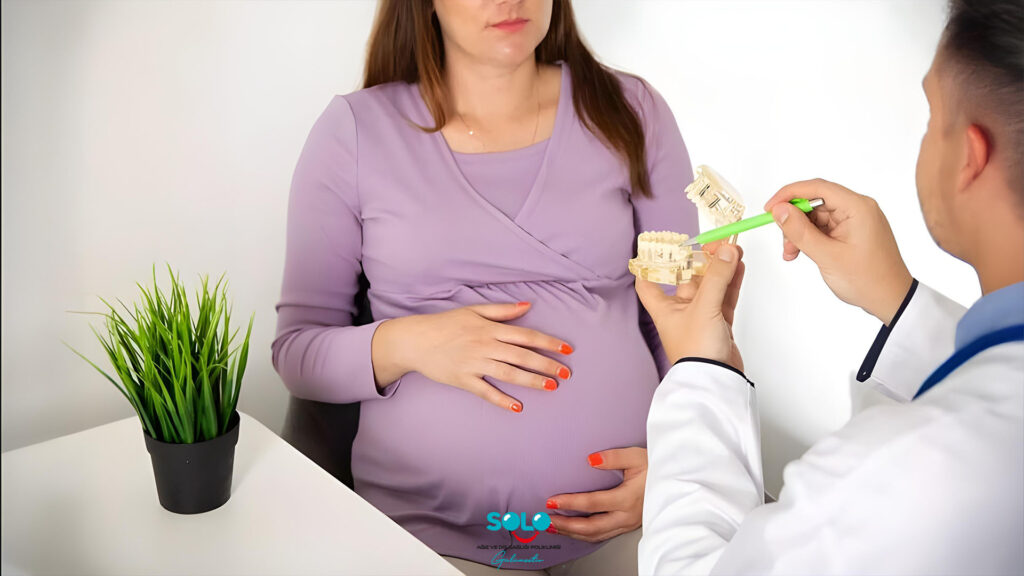
Can Dental Treatment Be Performed During Pregnancy?
Dental treatment during pregnancy is generally safe for mother and baby, but there are some special circumstances and factors to consider. Since each trimester of pregnancy comes with different hormonal and physiological changes, we take into account the characteristics of this period when planning treatment.
- First Trimester (Week 0-13):
The first trimester of pregnancy is a very sensitive period when the baby’s organs and basic building blocks begin to develop. During this period, it is especially recommended to avoid any chemical or physical effects on the fetus. When dental treatment is required, only emergencies are considered and treatment can be postponed. Procedures such as tooth extraction or fillings are generally not recommended during this period, as some dental treatments may increase the risk of miscarriage or have undesirable effects on the baby.
- Second Trimester (Week 14-27):
The second trimester of pregnancy is considered the safest period for the expectant mother and the baby. Since the baby’s organs are developed and established, dental treatments during this period are generally much safer. Dental fillings, teeth cleaning, tooth extractions and other treatments can be easily performed during this period. The expectant mother can sit in the dentist’s chair more comfortably for a long time and will not feel any discomfort during the treatment.
- Third Trimester (Week 28-40):
The third trimester of pregnancy coincides with a period when preparations for birth begin and the expectant mother’s body becomes quite tired. During this period, sitting in the dentist’s chair for a long time may disturb the expectant mother, so treatment times can be kept short. Additionally, non-urgent dental treatments can be postponed until after birth, taking into account the mother’s comfort and pre-natal preparations. However, if a tooth extraction or emergency treatment is required, it can also be done in the third trimester.
Common Dental Problems During Pregnancy
- Pregnancy Gingivitis: It manifests itself with symptoms such as gum swelling, bleeding and redness. We can control it with good oral hygiene.
- Tooth Decay: Tooth decay may increase during this period due to hormonal changes and desire for sugary foods. We should never neglect regular brushing and flossing.
- Pregnancy Tumors: They appear as benign growths on the gums. It is usually harmless and disappears on its own after birth.
What Should We Pay Attention to When Having Dental Treatment During Pregnancy?
There are several important factors to consider during dental treatment during pregnancy. The use of anesthesia is a practice in which local anesthetics are generally safe, but your dentist should be consulted regarding the type and dose used. X-rays should not be taken except in emergencies, but if necessary, a lead apron can be used to protect the baby.
Additionally, medications such as antibiotics and painkillers should not be used without a doctor’s recommendation; Penicillin group antibiotics are generally considered safe. Gargling with salt water or clove oil can be used as natural treatment methods to relieve toothache, but these methods are not therapeutic and only provide temporary relief. By paying attention to these factors, it is possible to protect the health of both mother and baby.

Recommendations for Maintaining Dental Health During Pregnancy
- Brush Your Teeth Regularly: Brush your teeth using fluoride toothpaste at least twice a day.
- Be sure to use dental floss: Use dental floss or an interdental brush to clean between your teeth.
- Pay attention to healthy nutrition: Avoid sugary and acidic foods. Consume foods rich in calcium, vitamin D and phosphorus.
- Do Not Skip Dentist Checkups: You should go to the dentist at least once before and during your pregnancy.
- Cleaning Your Mouth After Morning Sickness: Rinse your mouth with water and brush your teeth after nausea to neutralize stomach acid.
Emergency Dental Treatment During Pregnancy
In an emergency situation, dental treatment should not be postponed. Conditions such as severe pain, infection or abscess can put the health of both mother and baby at risk. You can create a safe treatment plan by sharing the situation with your dentist.

