
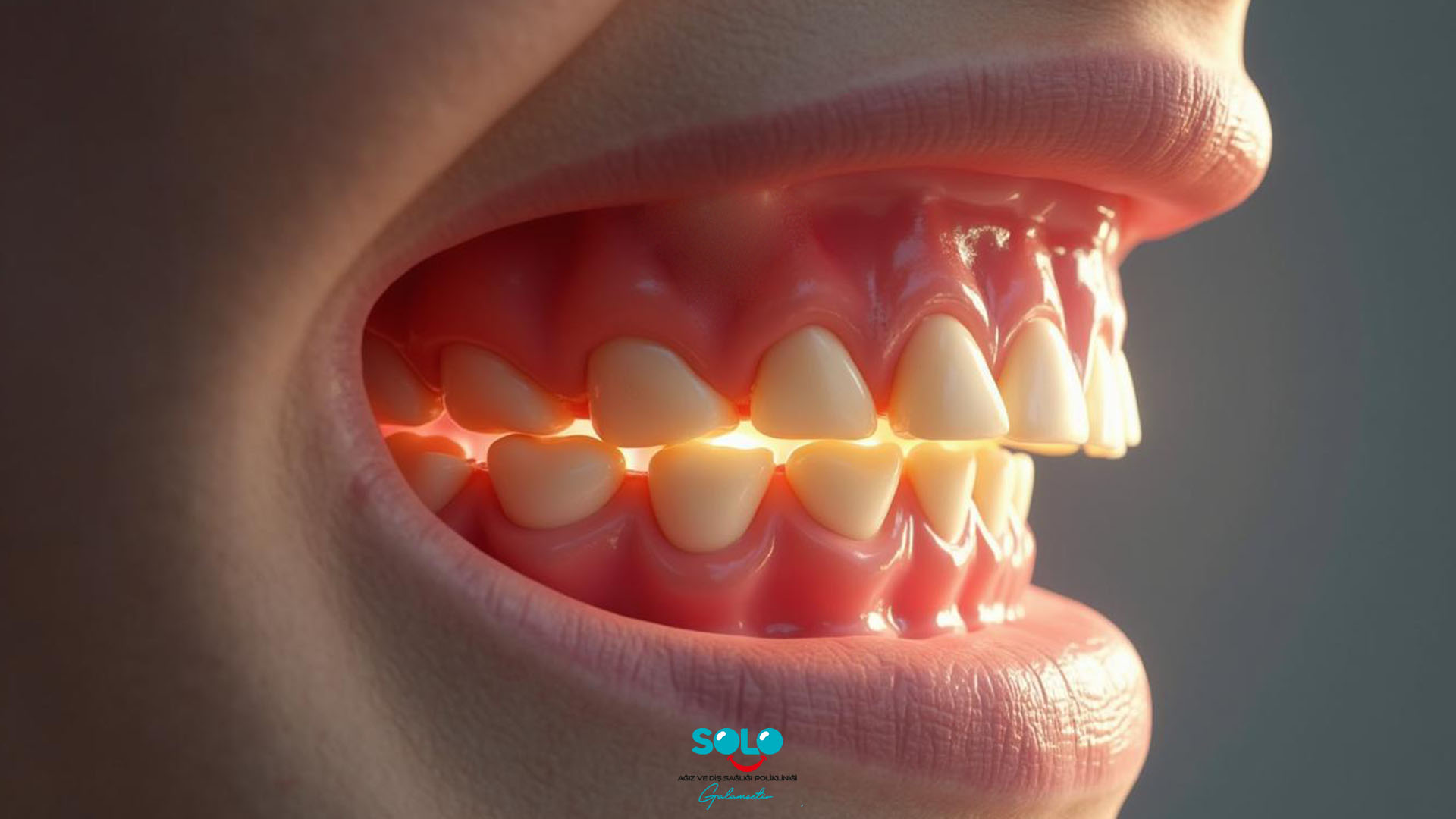
Grinding Teeth While Sleeping (Bruxism)
Teeth grinding while sleeping, medically known as bruxism, is a very common condition that many people are not even aware of. Characterized by involuntary clenching or grinding of teeth throughout the night, this problem can affect both children and adults. Although bruxism, which usually progresses silently, may seem innocent at first, it can have serious consequences in the long run. Erosion of tooth enamel, pain in the jaw joint, and even discomfort in the head and neck area are just a few of the most common effects of this problem. So, why does this occur and how can it be noticed?
Learning what you need to know about bruxism, which reduces sleep quality and negatively affects the comfort of life, can be an important step in protecting both your oral and dental health and your general health.
Reasons for Grinding Teeth While Sleeping
Although the exact cause of bruxism, that is, teeth clenching or grinding while sleeping, is not known exactly, it is thought that many different factors can trigger this problem. Most of the time, more than one factor comes together and causes this involuntary behavior to occur. Here are the main causes of bruxism:
- Stress and Emotional Burden
Today’s busy lifestyle causes emotional conditions such as stress and anxiety to become common. Feelings of anger, anxiety or tension suppressed during the day can be expressed through teeth clenching during sleep at night. Stress-induced bruxism is one of the most common health problems brought on by modern life.

- Sleep Patterns and Disorders
Sleep disorders are considered one of the most important causes of bruxism. In particular, sleep apnea, restless legs syndrome, or difficulties in transitioning to deep sleep may trigger teeth-grinding behavior. Decreased sleep quality can further exacerbate bruxism by causing the body to fail to repair itself adequately.
- Problems in Jaw and Teeth Structure
Mismatches in the anatomical structure of the jaw or improper alignment of the teeth can be a physical trigger for bruxism. In particular, malocclusion (malocclusion) may initiate teeth clenching behavior by forcing the jaw muscles to work more than necessary.
- Genetic Tendencies
Bruxism may have a familial tendency. The likelihood of this condition increases in individuals who have a history of bruxism in one of their parents. Genetic predisposition may play an important role in the development of bruxism, especially during childhood.
- Drugs and Stimulants
Some medications, especially antidepressants and other treatments that have a stimulant effect, may cause bruxism as a side effect. In addition, excessive caffeine, alcohol or nicotine consumption can also increase the tendency to grind teeth. The effects of stimulants on the central nervous system can cause involuntary contractions of muscles throughout the night.
Symptoms of Bruxism
Teeth clenching while sleeping is usually not noticed by the person himself, but can be detected by people around him or dentists. The most common symptoms are:
- Jaw, face or headache upon awakening in the morning.
- Sensitivity and pain in teeth.
- Wear, cracks or fractures in tooth enamel.
- Pain and noises in the jaw joint (temporomandibular joint).
- Visible flattening of teeth.
- People around notice teeth grinding sounds during sleep.

Treatment for Teeth Grinding While Sleeping
Treatment for teeth clenching while sleeping can be carried out with different methods depending on the source of the problem, and the combination of more than one approach usually provides effective results. While dentists recommend specially designed night plates (splints) for the patient to prevent teeth clenching and damage to the teeth, relaxation techniques, meditation, yoga or psychological therapies provide important support in stress-related situations.
While simple exercises, massages and, if necessary, physiotherapy can be applied to relax the jaw muscles, drug therapy can offer a temporary solution for severe pain or muscle spasms.In more advanced cases, botox injections into the jaw muscles relieve the effects of bruxism by relaxing the muscles. If problems in tooth alignment or jaw structure trigger this problem, your dentist can offer permanent solutions with orthodontic treatment or prosthesis applications. The most appropriate treatment method for each patient should be determined based on individual needs.
Bruxism Mouth Guard
Although it is not always possible to completely prevent bruxism, some lifestyle changes and precautions can significantly reduce the risks. Focusing primarily on stress management is one of the most effective ways to control bruxism. Incorporating relaxation techniques such as yoga, meditation or deep breathing into your daily routine can relieve both mental and physical tension.
Additionally, avoiding caffeine and alcohol consumption before bed relaxes the nervous system and may reduce involuntary muscle movements during sleep. Applying a warm compress before bed to relax the jaw muscles can help the muscles relax and relax. Establishing a healthy sleep pattern and getting enough rest is also critical in this process, as inadequate or irregular sleep can aggravate bruxism symptoms.
Finally, regular checkups with your dentist are important to monitor your dental and jaw health and detect early signs of bruxism. By incorporating these simple but effective steps into your life, you can minimize the negative effects of bruxism.

Night Record Prices
A night plate is a personalized device used to prevent teeth clenching and grinding problems during sleep. Prices may vary depending on the type of material used, the dentist’s expertise and the design of the aligners. Additionally, the city where your dentist is located and clinic conditions may also affect prices.
It is recommended that you consult your dentist to get detailed information about night aligners and find a suitable solution for you. Remember, early intervention protects your oral health and prevents greater costs in the long run.

