

One of the problems that can occur after tooth extraction is the problem known as alveolitis. The healing process that starts immediately after tooth extraction can sometimes not go as expected. There are many problems that we can explain. What is this problem, why does it occur and how is it treated?
In this article, we will try to convey what needs to be known in an understandable way.
WHAT IS ALVEOLITIS?
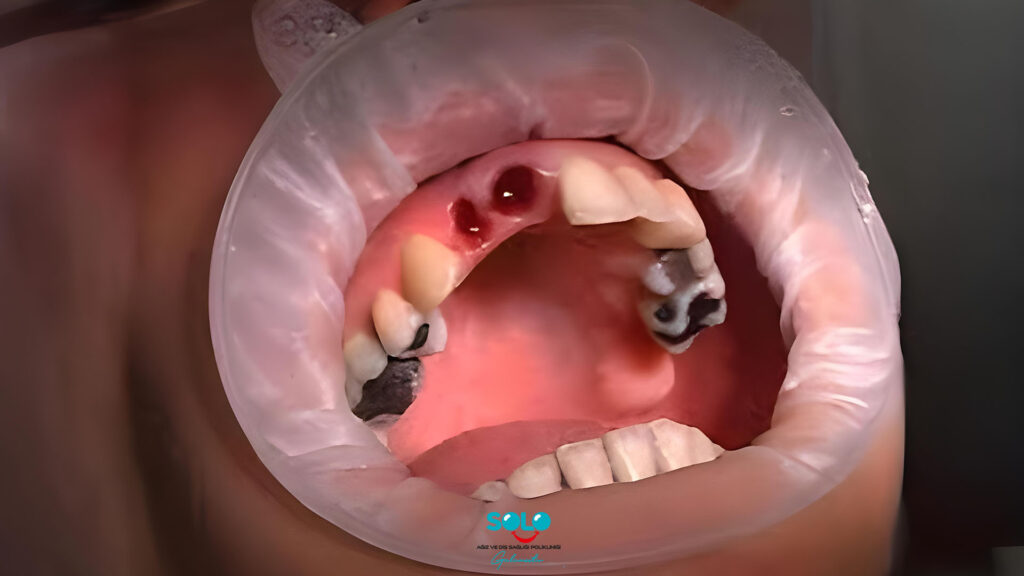
It is an inflammation that occurs as a result of the loss or deterioration of the clot in the area where the tooth was extracted after the tooth was extracted. Clot formation is normal wherever there is bleeding in our body. After tooth extraction, clot formation is also required in the cavity where the tooth was extracted. The clot is a protective layer that helps healing. However, sometimes the clot is lost or deteriorated; this leads to infection of the wound area and increased pain. It usually occurs within 2-4 days after tooth extraction.
CAUSES OF ALVEOLITIS
There are several different causes. The most common causes are as follows:
1. Loss or Deterioration of the Clot: The clot formed after tooth extraction initiates the healing process by protecting the extraction cavity. However, sometimes this clot can sometimes deteriorate or disappear completely after bleeding. This situation increases the risk of alveolitis by exposing the wound area to air.
2. Smoking: Cigarette smoke can cause the loss or deterioration of the clot that helps healing. Additionally, smoking can also create an environment for harmful bacteria to multiply in the mouth.
3. Inadequate Oral Hygiene: Inadequate oral care after tooth extraction increases the risk. Bacteria accumulated in the mouth can cause infection in the extraction area.
4. Heavy Physical Activity: Excessive physical activity after tooth extraction can increase bleeding and lead to clot loss. In this way, it can cause alveolitis.
5. Inadequate-Unbalanced Nutrition or Medication Use: A healthy and balanced diet is necessary to support the healing process. In addition, some anticoagulant medications in particular can negatively affect the healing process.
SYMPTOMS OF ALVEOLITIS
The most common symptom of alveolitis is severe pain after tooth extraction. The pain usually starts in the first few days after extraction and gradually increases. The pain is felt more severely, especially at night.
Other common symptoms of alveolitis are:
– Bad Breath: Alveolitis can cause a bad odor in the mouth because of the infection that develops in the cavity of the extracted tooth. The odor is usually an indicator of bacterial infection.
– Swelling: Swelling that can be seen from the outside can be seen in the extraction area. Swelling is the most important symptom of infection.
– Appearance of the Wounded Area: In the area where alveolitis develops, a tissue that changes color (whitens or reds) in the extraction area appears. This appearance means that the clot has disappeared or is lost; the healing process is negatively affected.
TREATMENT OF ALVEOLITIS
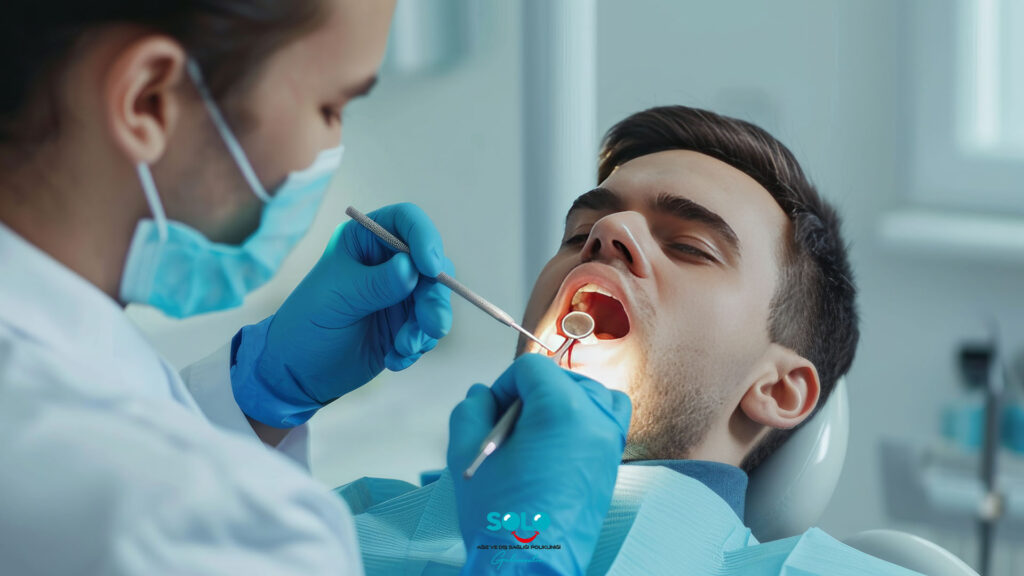
First of all, the dentist performing the treatment should be consulted. The treatment process varies according to the severity of the disease. The treatment protocol followed in the treatment of alveolitis is usually as follows:
1. Cleaning the Wound Area: Your dentist will first clean the infected area. This process aims to remove bacteria in the area and reduce the infection.
2. Antiseptic Application: After cleaning the wound area, antiseptic solutions are used to disinfect the area. This helps reduce the severity of the infection and pain.
3. Antibiotic Treatment: As is done in all infection treatments, antibiotic treatment is applied to prevent it from spreading.
4. Clot Formation: If the clot has disappeared, your dentist can apply supportive treatments to close the area again and accelerate healing. Therapeutic drugs can be placed in the wound area for this purpose.
5. Pain Control: Since this condition is usually accompanied by pain, painkillers are also used in its treatment. Depending on the severity of the pain, your dentist will prescribe painkillers.
PREVENTION OF ALVEOLITIS
There are some steps to follow to prevent its formation:
– Taking Care of Oral Care After Tooth Extraction: You should definitely follow the instructions given by your dentist. However, avoid brushing the area where the tooth was extracted in the first days. You can use a soft mouthwash solution.
– Not Using Cigarettes/Tobacco Products: Smoking can pave the way for this problem. Therefore, avoid smoking after tooth extraction.
– Pay Attention to Oral Hygiene: It is important to pay attention to oral hygiene after tooth extraction. – Postpone Heavy Physical Activity: Avoid strenuous physical activities during the healing process after tooth extraction. This can hinder healing.
– Healthy Nutrition: Take care to have an adequate and balanced diet. Care should be taken to ensure adequate vitamin and mineral intake to support the healing process of the wound area.
It is one of the most common problems that can be seen after tooth extraction. However, it is possible to treat it with the right treatment and care. If you experience pain, swelling or a bad smell in the wound area after tooth extraction, you should immediately contact the dentist who performed the treatment. Early diagnosis and intervention will ensure that the treatment is faster and more effective. For a healthy healing process, you can prevent more serious complications by following your dentist’s recommendations.

