

What is Tooth Numbness?
Oral and dental health is an integral part of our overall health. Small complaints that we often overlook in daily life can actually be important signals our bodies are sending us. One such complaint is tooth numbness. While numbness may be a momentary and temporary sensation for some people, it can also be a sign of a serious dental problem.
The occasional numbness in teeth is a common occurrence in many people’s daily lives. This sensation, which usually occurs suddenly when drinking cold water or spooning hot soup, can sometimes manifest as a tingling sensation, a stinging sensation, or even a brief numbness. Some people describe this sensation as “my tooth feels frozen” or “when I touch it with my tongue, it tingles like an electric shock.”
So, what’s the root of this uncomfortable feeling? The enamel, the outermost layer of our teeth, acts like a tough shield protecting nerve endings. Thanks to the enamel, our teeth can function without being affected by hot, cold, or acidic foods and drinks. However, over time, this protective layer can wear down, crack, or weaken. In this case, the pathways to the inner parts of the tooth, namely the dentin layer and nerve endings, are exposed. At this point, cold water, hot coffee, or even air touching the tooth directly stimulates the nerves, causing numbness, sensitivity, or a sudden stinging sensation.
Dental numbness isn’t just limited to hot and cold sensitivity. Sometimes, this sensation can be a sign of more serious problems, such as enamel erosion, gum recession, cavities, or cracks. Prolonged or progressive numbness, in particular, can indicate that the nerve tissue inside the tooth is affected. If neglected, this can be the beginning of a process that could lead to more advanced treatments, such as root canal treatment.

What Causes Numbness or Sensitivity in Teeth?
Numbness or sensitivity in teeth often doesn’t stem from a single cause; in fact, it occurs when multiple factors come together. The most common triggers are summarized as follows:
Tooth Sensitivity
Tooth sensitivity is one of the most common causes of numbness and sudden pain in teeth. Over time, the enamel can wear away or the gums can recede. This exposes the dentin, a layer of tissue that is very close to nerve endings. Hot and cold foods and drinks, and sometimes even air, can reach the dentin, causing sensitivity and numbness.
Tooth Decay
Decay, which isn’t detected in the early stages, can progress and affect areas close to the tooth’s nerves. This manifests as both pain and numbness. As the decay progresses, the vitality of the tooth can be threatened, so early intervention is crucial.
Gum Problems
Gingivitis, or its more advanced stage, periodontitis, causes the gums to recede. Recessed gums expose the roots of the teeth, causing sensitivity to hot and cold and numbness. Gingivitis also affects the health of the tissues surrounding the teeth, which can lead to tooth loss in the long term.
Clenching and Grinding (Bruxism)
Unintentional clenching and grinding of teeth during sleep damages tooth enamel and, over time, causes the inner tissue of the tooth to become sensitive. This can cause numbness or mild pain, especially in the morning.
Trauma
Hard blows to the tooth, falls, or impacts can affect the nerve tissue. In some cases, trauma can cause the tooth to lose its vitality and cause permanent numbness. Therefore, regular dental checkups after trauma are important.
Teeth Whitening Procedures
Chemical teeth whitening methods that offer quick results may cause temporary tooth sensitivity and numbness. This is usually short-lived and gradually subsides after the procedure is completed.
Conditions After Fillings or Root Canal Treatment
After new fillings or root canal treatments, teeth may become sensitive and numb for a short time. This is generally considered normal, but if the symptoms persist for a long time, it’s essential to consult a dentist.
Neuritis (Pulp Problems)
Deep decay, trauma, or other dental procedures can inflame the nerve tissue within the tooth. Pulpitis not only causes pain but also causes numbness and sensitivity. If left untreated, the condition can lead to more serious problems, even tooth loss.
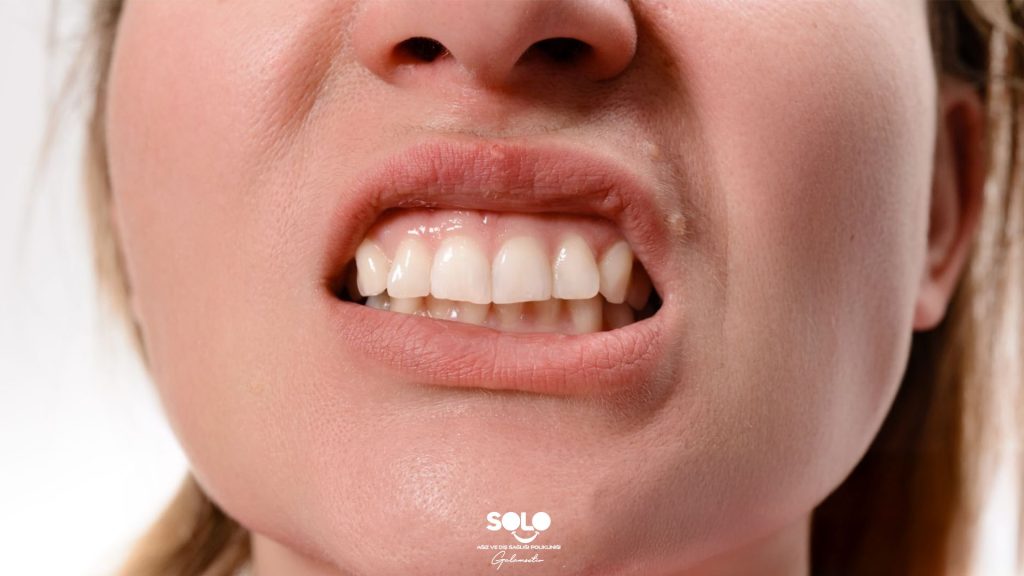
When Should You Take Tooth Numbness Seriously?
Numbness in a tooth doesn’t always indicate a serious problem; for example, sensitivity lasting a few seconds after eating a cold ice cream is generally considered normal. However, if the numbness persists for a long time, occurs with pain, is felt constantly in a single tooth, or occurs spontaneously outside of eating or drinking, it’s essential to see a dentist. Furthermore, if it’s accompanied by symptoms such as swelling, redness, or bleeding in the gums, it could be a sign of more serious tooth or gum problems and shouldn’t be ignored.
Treatment of Tooth Numbness
Treatment varies depending on the cause of the numbness. For example:
- For tooth sensitivity: Special toothpastes and fluoride applications are recommended.
- For cavities: Fillings or, if necessary, root canal treatment are performed.
- For gum problems: Professional cleaning, curettage, or advanced treatments are performed.
- For bruxism: A night guard and stress management are recommended.
- For trauma: The condition of the tooth is evaluated, and any necessary surgery or root canal treatment is performed.

Simple Home Measures
While not a substitute for professional treatment, some home measures can alleviate tooth numbness:
- Avoiding very hot and very cold foods
- Reducing sugary and acidic beverages
- Choosing a soft-bristled brush
- Using fluoride mouthwash
- Eating a regular and balanced diet
These measures can be especially effective for numbness caused by sensitivity. If tooth numbness persists, it’s best to see a dentist.

