
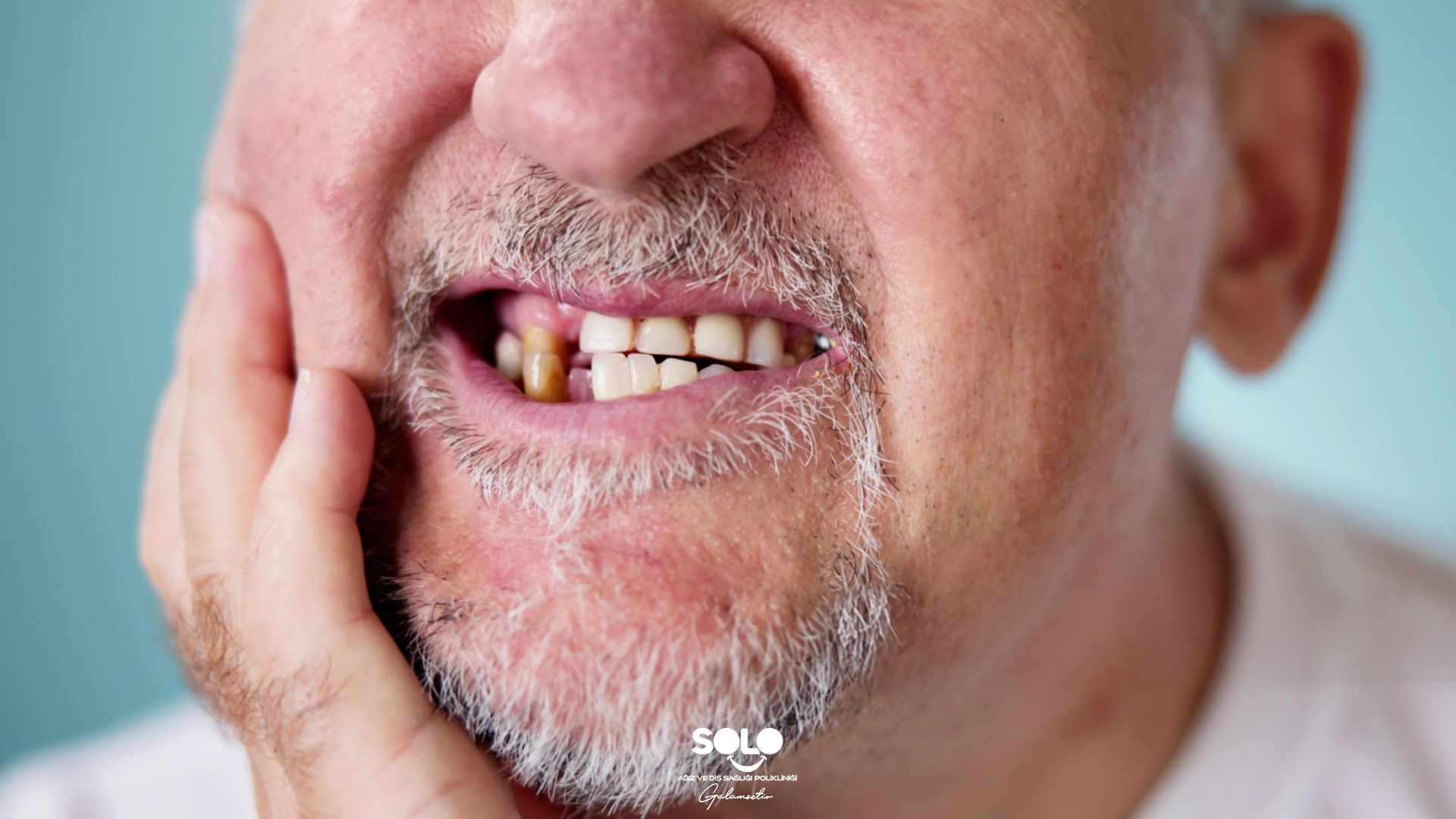
How to Ease a Toothache from Decay
A toothache has a way of turning your day upside down in an instant. Tasks you were focused on pile up, you jolt awake from the sweetest part of sleep, or you pull back mid-bite with a wince… because that familiar ache has decided to remind you it’s there.
A toothache caused by decay is one of those problems we often postpone with thoughts like “it’ll pass,” “I can’t deal with this now,” or “I’ll get it checked tomorrow” but it rarely disappears on its own. In fact, that pain is your body’s quiet signal: “Something’s wrong here, pay attention.”
So rather than treating a decayed tooth’s pain as a temporary nuisance, it’s important to listen to what’s behind it. When noticed early, pain gives you the chance to fix a problem before it becomes much bigger.
Today I’ll walk you through the common causes of toothache from decay, simple ways to ease the discomfort at home, and when it’s essential to see your dentist.
What Is Tooth Decay and Why Does It Hurt?
Tooth decay is a sneaky process that often starts quietly and may already be advanced by the time you notice it. It begins as a tiny weakness on the outer enamel layer. At that stage most people don’t feel anything. If untreated, the enamel thins and softens until a small cavity forms. If this continues without dental care, the decay moves deeper toward the dentin the layer much closer to the nerves.
The main reason decay causes pain is exactly this progression. As bacteria eat away at the tooth, sensitivity increases and small-scale inflammation can develop inside the tooth.

You might notice this in several ways, for example:
-
A sharp sting when you drink something very hot or very cold,
-
A throbbing pain that wakes you up in the middle of the night,
-
Intermittent stabbing sensations during the day with no obvious trigger,
-
Discomfort when biting down or chewing something.
All of these signs suggest the decay has moved beyond just the surface and is progressing deeper.
If a cavity is left untreated it can eventually reach the nerve. At that point the pain often becomes intense and difficult to tolerate. In many cases a filling alone won’t be enough; root canal treatment may be needed to save the tooth.
How to Ease a Decay-Related Toothache at Home
A decay related toothache can strike at the most inconvenient times while eating, working, or in the middle of the night. Keep in mind that home remedies are temporary: they don’t heal the decay, but they can soothe the pain until you get professional care. When used correctly, a few simple measures often provide noticeable relief.
One of the most common home remedies is a warm saltwater rinse. It has mild antiseptic properties and can reduce swelling in the gum area, easing the intensity of pain. Even a small amount of salt in warm water can bring relief within minutes. Applying a cold compress to the cheek is another effective trick the cold slows blood flow to the area and can reduce throbbing. Clove oil, known for its eugenol content, has been used as a natural analgesic for years; it can temporarily numb nerve endings and lessen pain.
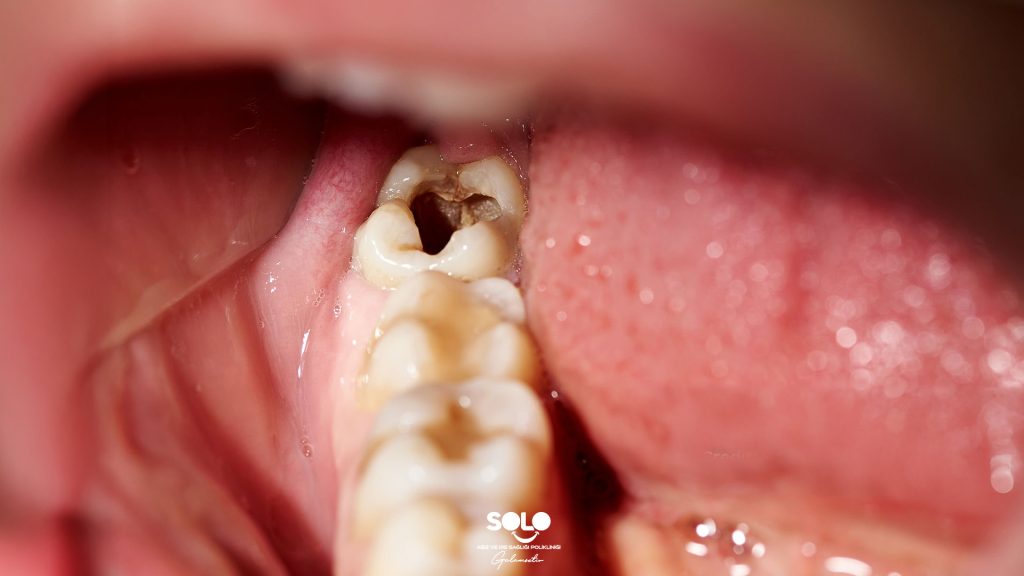
In addition, food particles trapped in the cavity can make pain worse, so keeping the area clean is important. Gentle brushing and careful use of dental floss can relieve pressure and provide comfort. Avoid hot drinks and sugary snacks, as these often trigger sensitivity. For severe pain, over-the-counter pain relievers like paracetamol or ibuprofen can give short-term help but remember that not every medication suits everyone, so use them cautiously. In short, these methods help you get by briefly; the real solution is to see your dentist as soon as you can.
Will a Decay-Related Toothache Go Away on Its Own?
I wish waiting it out would really make it disappear, but sadly a toothache caused by decay does not usually resolve itself. Once decay begins, it doesn’t stop it progresses and can reach deeper tissues. What starts as a dull ache often grows sharper, more frequent, and harder to bear over time.
Sometimes the pain seems to suddenly stop, and people think the problem is gone. Often, however, this actually signals that the nerve inside the tooth has been damaged. When the nerve becomes non-vital, the pain can temporarily subside but that’s usually a sign the condition has worsened and the tooth will likely require root canal treatment.
How to Prevent a Cavity-Related Toothache
Once decay-related pain appears it may ease now and then, but it almost always returns. That’s why building protective habits is far easier and more effective than treating the problem after the fact. Consistent oral hygiene is the cornerstone: brushing at least twice a day, using dental floss to clean between teeth, and reducing sugary snacks significantly lowers your risk. Regular dental check-ups ideally twice a year help catch problems before they become painful. Those small, steady habits are the best investment for a pain-free mouth over time.
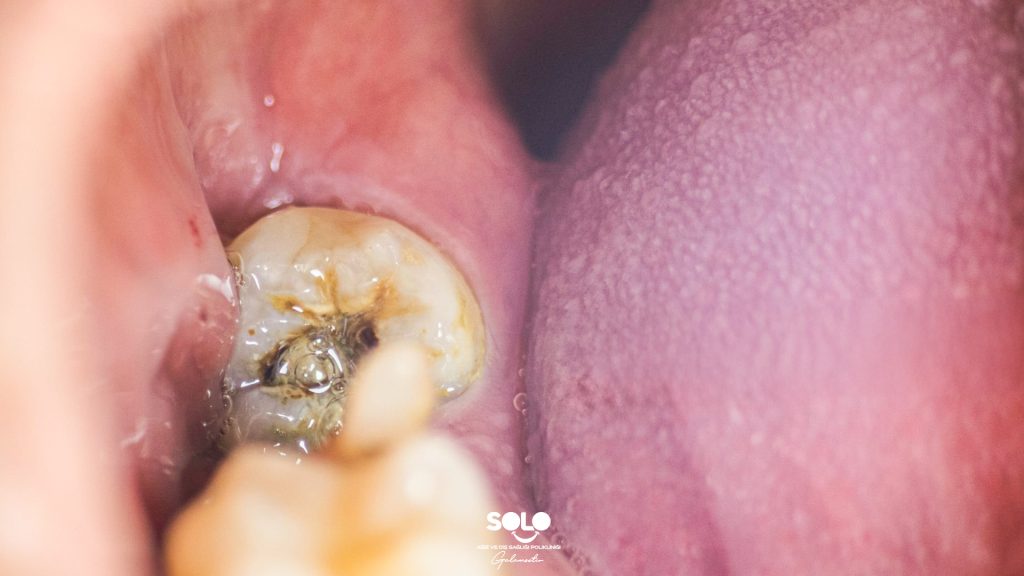
What you eat also plays a bigger role in cavity formation than you might think. Frequent consumption of sugary foods and drinks allows harmful bacteria to multiply faster, increasing the risk of decay. Fluoride-containing toothpaste and mouthwashes strengthen enamel like a protective shield and give extra defense against cavities. In short, small but consistent choices are the most effective way to prevent severe pain later on.
If you’ve ever faced this kind of pain, don’t wait booking an appointment early is in your best interest. Fill out the form now and we’ll get in touch to schedule your visit.

