
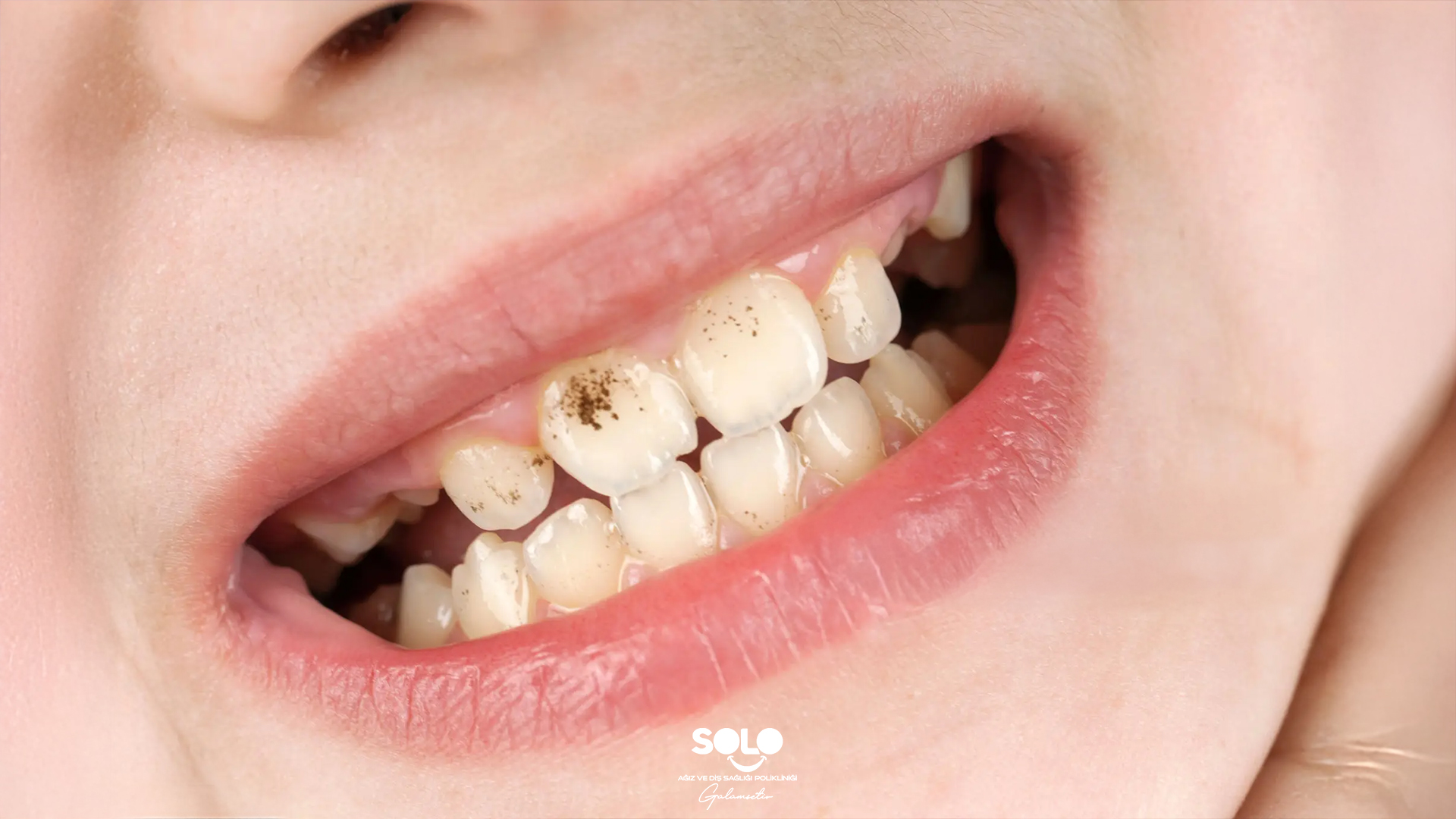
Why Do Tooth Stains Happen?
Have you ever looked in the mirror while smiling and noticed yellowish or brownish shades on your teeth? That subtle moment of discomfort feels familiar, doesn’t it? You start thinking, “But I brush my teeth regularly…” and quietly question yourself. It can feel like you’re doing something wrong. Yet most of the time, the truth is very different from what we assume.
Tooth stains are not always the result of poor brushing. Yes, oral hygiene matters a lot, but that’s only part of the picture. The coffee you enjoy every morning, the tea you sip throughout the day, a glass of red wine at dinner… Even certain spices, acidic drinks, and smoking can gradually affect the natural color of your teeth. And it’s not only external factors. Genetics, aging, certain medications, and the structure of your enamel all play an important role in determining tooth color.
Sometimes small habits we barely notice make a difference too. Brushing too hard, choosing the wrong toothpaste, or skipping regular dental check-ups can slowly impact the appearance of your teeth. So it’s not just about brushing “enough.” How you brush, how often you get professional cleanings, and what you consume daily all matter just as much.
The color of our teeth isn’t only about aesthetics. Our smile is closely connected to our confidence. When we feel good about it, we smile more freely and speak more openly. But if we feel self-conscious about our teeth, we may find ourselves holding back without even realizing it.
Foods and Drinks (The Most Common Cause)
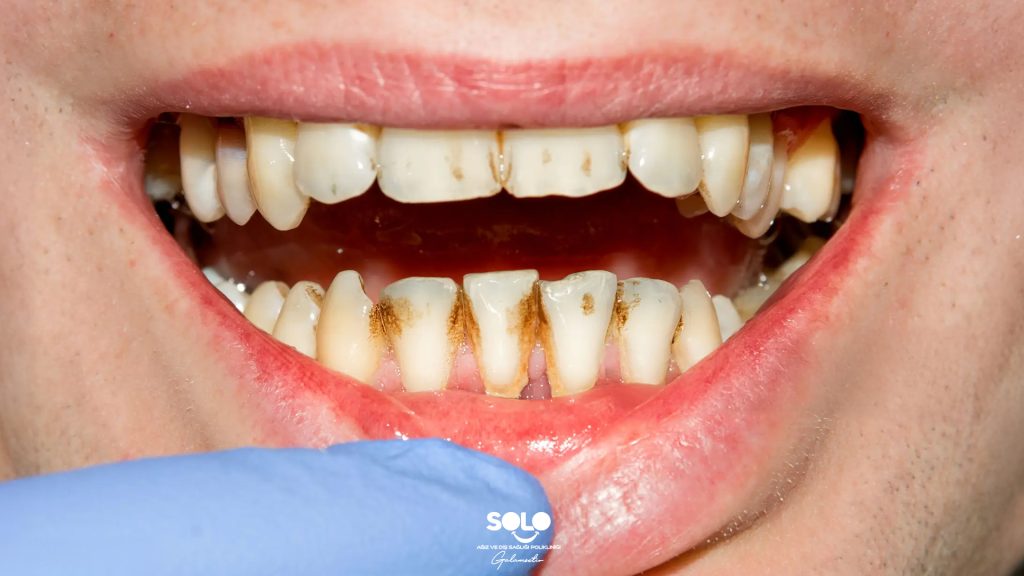
The most common reason for tooth discoloration is actually the things we enjoy consuming every day. Coffee, tea, red wine, fizzy drinks, colorful fruit juices, tomato-based sauces, and soy sauce can all gradually change the tone of your teeth.
What these have in common is their strong pigmentation. These pigments cling to the surface of the enamel and, with regular exposure, slowly darken the teeth. In cultures where tea and coffee are part of daily life, it’s no surprise that staining complaints are so common.
The good news? You don’t have to give up your favorite drinks entirely. Balance and small aftercare habits make a real difference. Even something as simple as drinking a glass of water after coffee or tea can help reduce how long pigments stay on your teeth.
Smoking and Tobacco Products
Smoking is one of the most noticeable and stubborn causes of tooth stains. The nicotine and tar in tobacco cling tightly to the tooth surface, leading to discoloration that can range from yellow to deep brown over time.
At first, it may look like mild yellowing, but as time passes, the stains become darker and harder to remove. And it’s not just about appearance. Smoking also increases the risk of gum disease, persistent bad breath, and overall oral health problems.
I often hear people say, “When I quit smoking, my mouth felt like it could finally breathe.” And it’s true after quitting, both tooth color and gum health tend to improve in visible ways.
Insufficient Oral Care
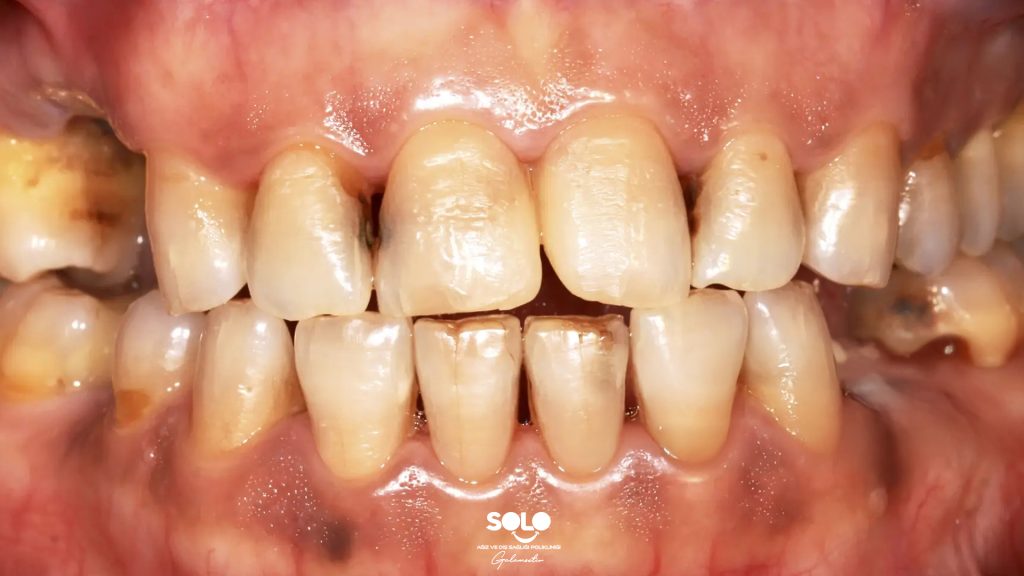
One of the most fundamental causes of tooth stains is inconsistent oral care. When teeth are not cleaned properly, plaque builds up. Over time, this plaque hardens into tartar. Tartar not only creates a yellowish appearance but also makes it easier for new stains to attach to the tooth surface.
The core message is simple: brushing properly twice a day, using dental floss, and attending regular dental check-ups can make a much bigger difference than you might think. Tooth stains rarely appear overnight; small neglect gradually becomes visible.
Aging
As we get older, changes in tooth color are completely natural. Over the years, the enamel layer becomes thinner, allowing the slightly more yellow dentin underneath to show through. This makes teeth appear darker than they once were.
It’s a natural process that happens to everyone. However, with regular care and professional cleanings, the appearance can be managed effectively.
Genetic Factors
Some people are simply born with thicker, whiter enamel, while others naturally have a more yellow tone. So tooth color does not always indicate poor care.
If darker tooth tones run in your family, it’s completely normal to see something similar in yourself. Instead of comparing your smile to others, focusing on the health of your teeth is a far healthier and more peaceful approach.
Types of Tooth Stains
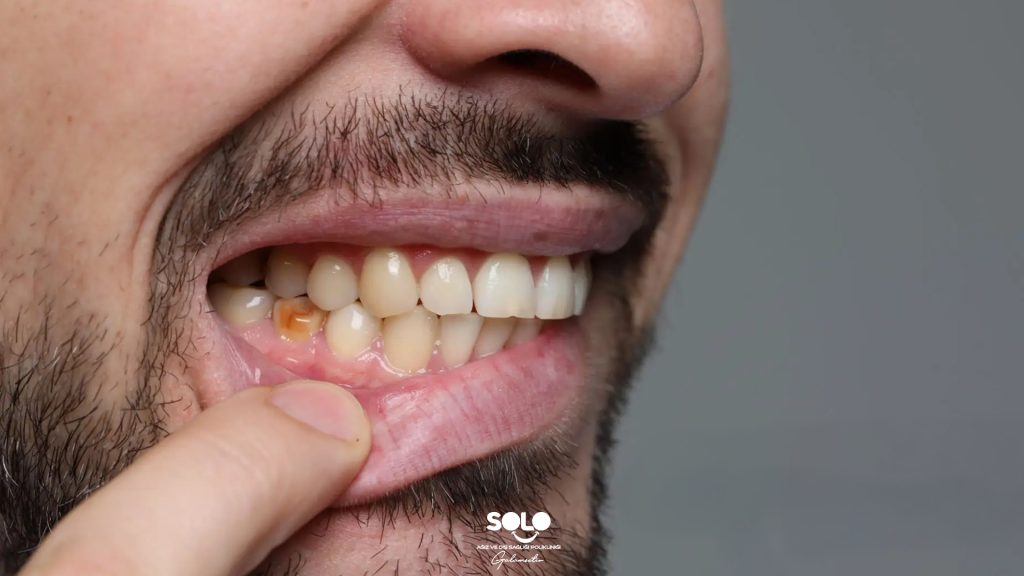
Tooth stains generally fall into two categories. Some occur only on the outer surface of the tooth and are typically caused by external factors like coffee, tea, or smoking. These surface stains can often be significantly reduced or even completely removed with professional cleaning. Others originate within the inner structure of the tooth. Trauma, certain medications, or developmental factors may lead to these deeper stains. Because they come from within, they require different treatment approaches. Not all stains are the same, and understanding the source is key to choosing the right solution.
How Can Tooth Stains Be Prevented?
To be honest, having perfectly white, completely stain-free teeth for life isn’t very realistic. But keeping stains to a minimum is absolutely possible. Consistent and proper brushing, flossing regularly, and rinsing your mouth with water after consuming colored drinks can make a meaningful long-term difference. If you smoke, considering quitting would be a great step not just for your teeth, but for your overall health as well. And if you don’t skip regular dental check-ups, small color changes can be addressed before they become bigger concerns. Small but consistent habits are the strongest way to protect your smile over time.

