

What is Root Canal Treatment? How To?
Toothache is undoubtedly one of the most disturbing health problems that makes daily life difficult, sometimes even unbearable. Especially when the decay progresses or the nerve tissue deep within the tooth is damaged, the pain can intensify and make it difficult to eat, talk and even sleep. In this case, although many people look for quick solutions to relieve the pain, the most important thing is to apply the right treatment before completely losing the tooth.
At this point, one of the most effective methods to save the tooth is root canal treatment. Root canal treatment is a procedure that aims to keep a decayed or infected tooth in the mouth by cleaning and repairing it, rather than removing it. Although it used to be known as a painful and long-lasting treatment, it can now be done much more comfortably thanks to today’s modern techniques.
What is Root Canal Treatment?
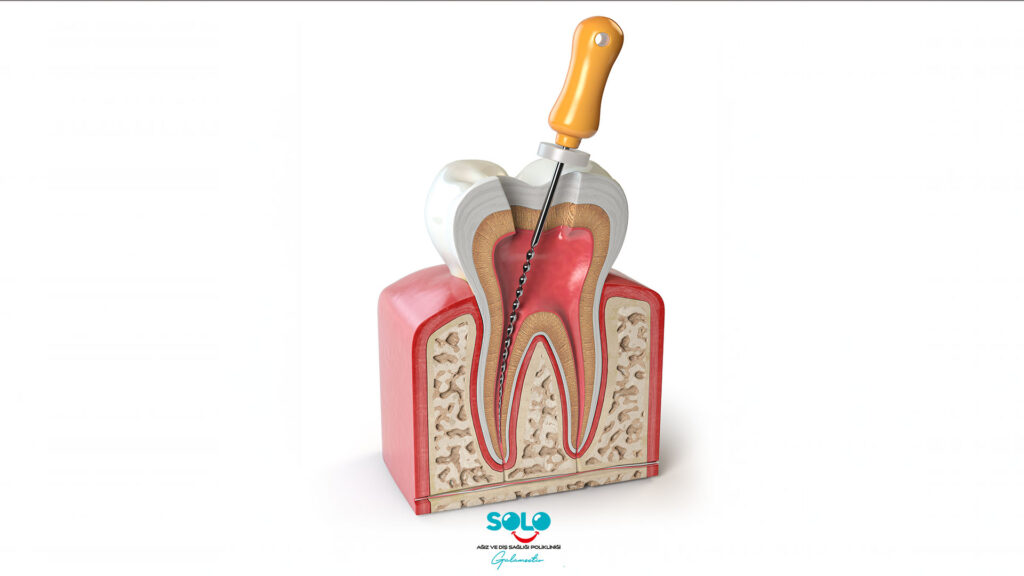
In the inner part of the tooth, there is soft tissue called pulp, located under the hard enamel and dentin layer, and this layer contains the nerves and vessels of the tooth. This tissue can be damaged by cavities, deep fillings, trauma, or repetitive dental procedures. If the pulp becomes inflamed or dies completely, it can lead to severe pain and infections. This is where root canal treatment comes into play.
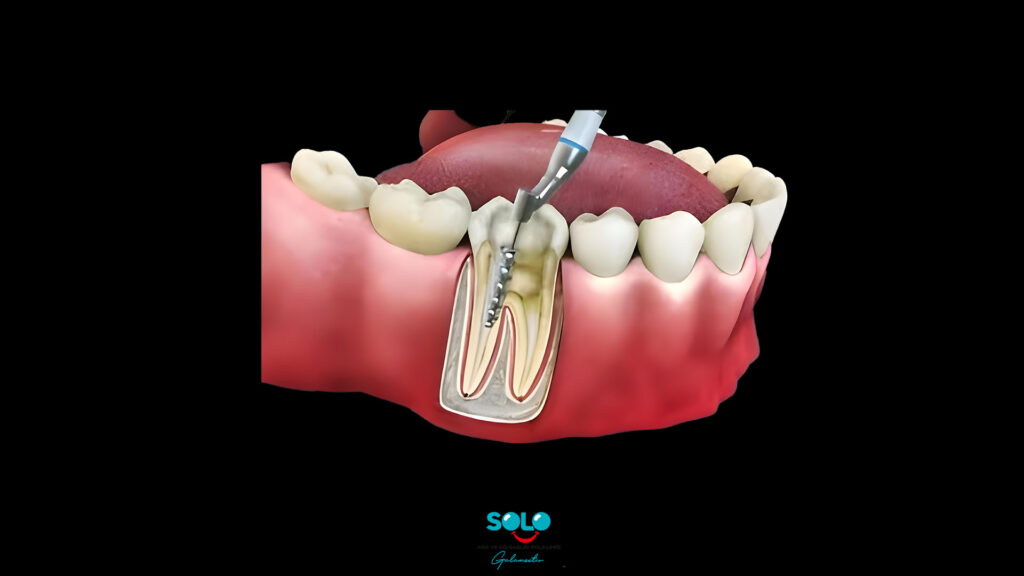
Root canal treatment is a treatment method that aims to remove damaged or infected pulp, clean the inside of the tooth, and protect the tooth by covering it with special filling materials. Thanks to this procedure, the tooth does not need to be extracted and its natural structure can be preserved and its function can continue for many years.
During the treatment process, the dentist first evaluates the extent of the damage by taking x-rays. Then, local anesthesia is applied to numb the tooth and the infected nerve tissue inside the tooth is carefully cleaned. Root canals are shaped with the help of special tools, disinfected and closed with biocompatible filling materials. Finally, a filling or crown is often applied to the tooth to increase its durability.
If not treated in time, the infection can spread and reach the jawbone, causing greater health problems.
What Should I Pay Attention to After Root Canal Treatment?
It is quite normal to experience mild pain, sensitivity or a slight discomfort in the tooth after root canal treatment and it usually goes away on its own within a few days. During this process, especially hard, very hot or very cold foods should be avoided, and care should be taken to avoid unnecessary strain on the tooth. Not applying too much pressure on the treated tooth and using the other side as much as possible while chewing can speed up the healing process.
Additionally, if a filling or coating has been applied to strengthen the tooth after root canal treatment, it is important to stay away from hard-shelled foods to prevent damage to these restorations. To minimize the risk of infection and ensure the longevity of the tooth, regular dentist check-ups should not be neglected, oral hygiene should be taken care of, and teeth should be brushed and flossed regularly.
Will It Hurt While Having Root Canal Treatment?
Going to the dentist can be a stressful situation for many of us. Especially when we hear the word “root canal treatment”, we immediately think of a painful, long and difficult procedure, right? So is it really so?
First of all, I can say this clearly: Root canal treatment is not as scary as it seems! Before starting the treatment, we anesthetize the tooth and its surrounding area with local anesthesia. So you do not feel pain during the procedure. Sometimes you may not even realize that it is numb.
The strangest feeling in my experience was the slight numbness of my tongue and cheek due to the effect of anesthesia. But this is nothing to be afraid of, it disappears completely within a few hours.
Of course, you may feel some pressure or slight vibrations during the procedure, because the inside of the tooth is being cleaned and shaped. But I didn’t really feel any pain. In fact, my toothache before the root canal treatment was so bad that I can say that the treatment literally brought relief to me.
So, will there be pain after the treatment?
Yes, there may be slight pain for a few days after the treatment is finished, but this is not an unbearable pain. You can get over it very easily, especially if you avoid hard foods and use the painkillers recommended by your doctor.

How is Root Canal Treatment Done?
Root canal treatment is a treatment method that aims to save the tooth by cleaning the infected or damaged nerve tissue inside the tooth. It is usually completed in several stages and can be applied painlessly thanks to modern techniques.
First, we evaluate the root structure of the tooth and the extent of the infection by taking x-rays. Then, we numb the tooth using local anesthesia to keep the patient comfortable during the procedure. Then, we make a small hole in the upper part of the tooth and clean the inflamed or dead nerve tissue inside the tooth with special tools. At this stage, we shape the root canals, disinfect them and remove bacteria.
The cleaned root canals are carefully filled with biocompatible filling materials to prevent re-infection of the inside of the tooth, and the upper part of the tooth is closed with a temporary or permanent filling. In some cases, a coating made of materials such as porcelain or zirconium can be applied on the tooth after treatment to increase its durability.
After root canal treatment is completed, the tooth can continue to function normally. However, to protect the treated tooth, it is important to go to regular dentist checks, pay attention to oral hygiene and avoid very hard foods.
Pain After Root Canal Treatment
It is normal to experience mild pain or tenderness after root canal treatment and usually subsides within a few days. Although the inside of the tooth is cleaned during the procedure, there may be slight tingling as the surrounding tissues enter the healing process. To reduce this pain, you can use painkillers recommended by the doctor, avoid hot and cold foods, and be careful not to chew on that area. However, if the pain persists for more than a few weeks, becomes severe, or symptoms such as swelling occur, it is important to consult your dentist immediately.
Root Canal Treatment Prices
Root canal treatment is an important treatment method that helps save the tooth, and its price may vary depending on many different factors. The most important factors affecting the cost of treatment include the location of the tooth, the number of roots, the status of the infection and the materials used. For example, since front teeth usually have a single root, the treatment process may be shorter and the cost may be lower, whereas because molars have more than one root, the process may take longer and the price may vary.

